
JFE Shoji Corporation aims to realize "sustainable living and society.
We are promoting a variety of environmental initiatives through our business.
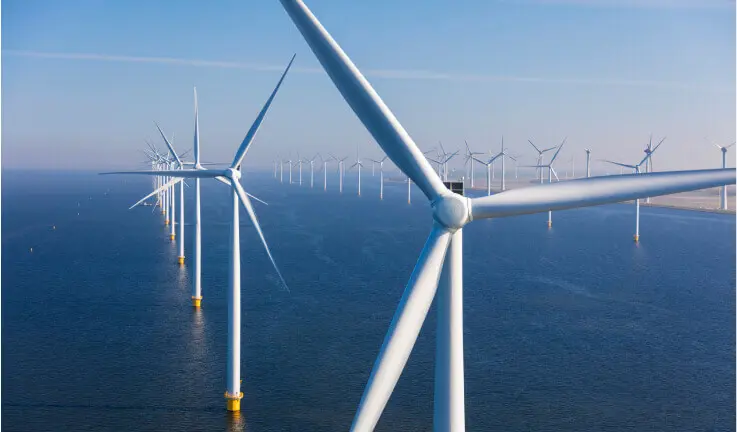
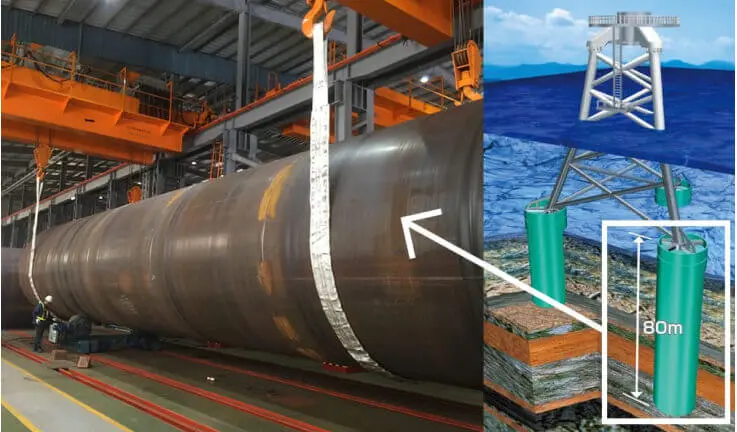
Offshore wind power generation
by business efforts to promote renewable energy
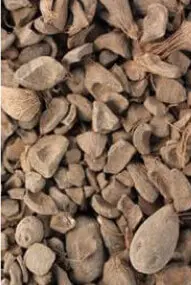
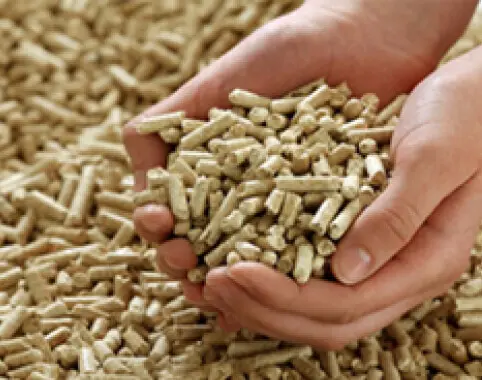
Biomass Fuel Reduction of CO₂ emissions by supplying
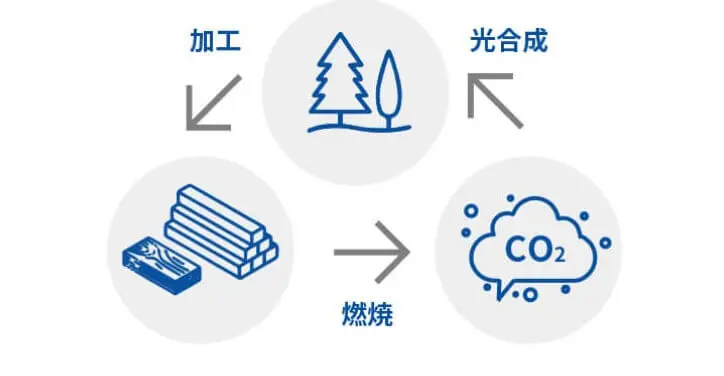
In addition, these Biomass Fuelare positioned as carbon neutral fuels because they absorb CO₂ during the growing process, which is offset by the CO₂ emitted during combustion. Furthermore, the trees and crops used as raw materials are reforested and re-cultivated after harvesting, thereby promoting a sustainable supply chain.
JFE Shoji CorporationIn order to support fuel conversion from coal-fired power generation, MCC is also involved in the development and supply of alternative Biomass Fueland aims to be a company that reduces environmental impact and promotes energy conversion through the recycling of waste as a resource.
Efficient supply and consumption of electricity through
initiatives in the supply network
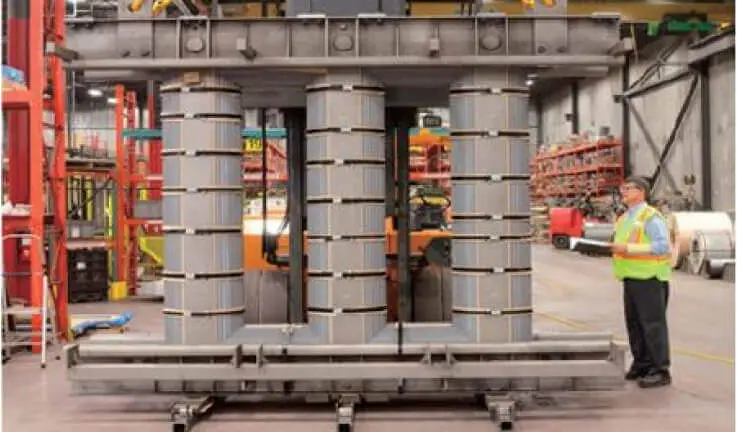
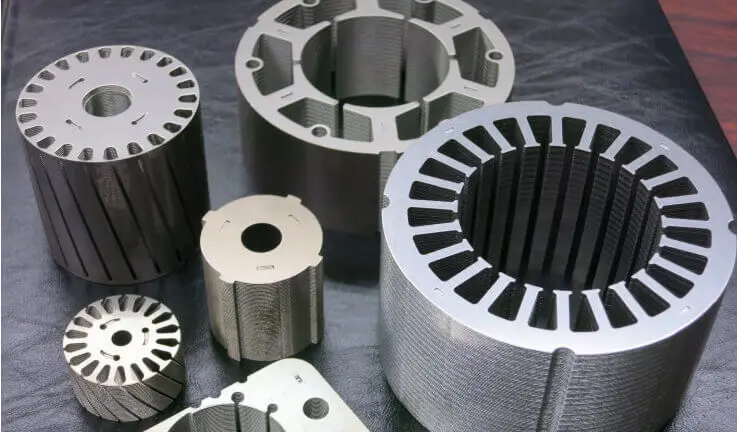
Of the electricity consumed, motors used in various places such as power plants, factories, and homes account for 40-50% worldwide and about 60% in Japan, which is a large portion of total electricity consumption. It is said that a 1% improvement in motor efficiency in Japan would be equivalent to the energy savings of one large 500 MW-class power plant. Electric vehicles (EVs), of course, are said to have as many as 50 to 100 motors per car, and by making these on-board motors smaller, more efficient, and lighter, it is expected that energy-saving effects such as improved fuel efficiency can be expected. In addition, energy loss in delivering generated electricity to factories and homes cannot be ignored. Therefore, increasing the efficiency and lowering the loss of transformers, which are indispensable for power transmission and distribution, are also important efforts to reduce power consumption and CO₂ emissions.
In addition to the stable supply of high-quality electromagnetic steel sheets, which are indispensable for higher efficiency and lower loss of motors and transformers, we have established a value chain that includes the necessary processing. We contribute to the preservation of the global environment by responding to our customers' needs in detail under a supply network that matches the global expansion of motor and transformer manufacturers.
Strengthening the supply chain
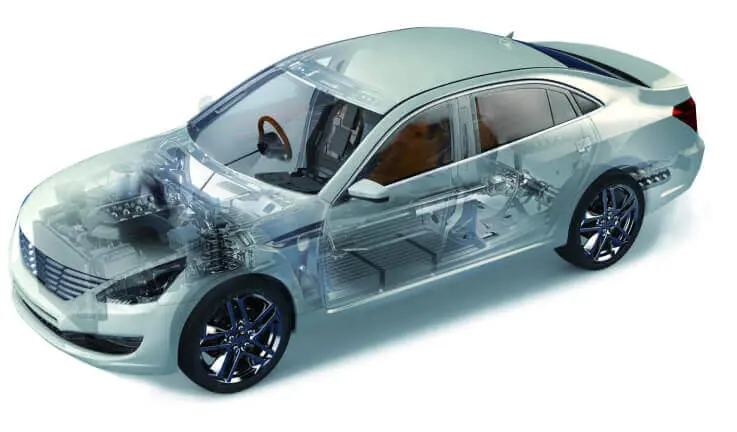
of high tensile strength steel sheet (high tensile strength) that contributes to automotive weight reduction
High-tensile steel, which the JFE Group develops and sells as steel material for automobiles, can maintain and improve the strength of the car body even when the plate thickness is made thin. As a core trading company of the JFE Group, we are a key member of the JFE Group.
As a core trading company of the JFE Group, we have synchronized our strategy with that of JFE Steel and are focusing on strengthening the supply chain for high-tensile steel materials.
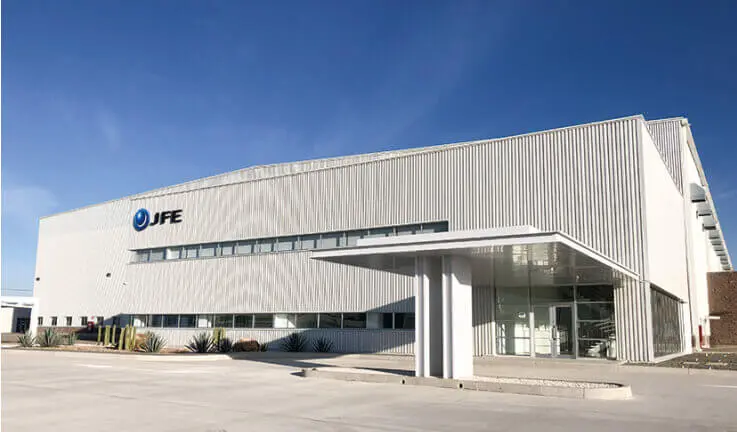
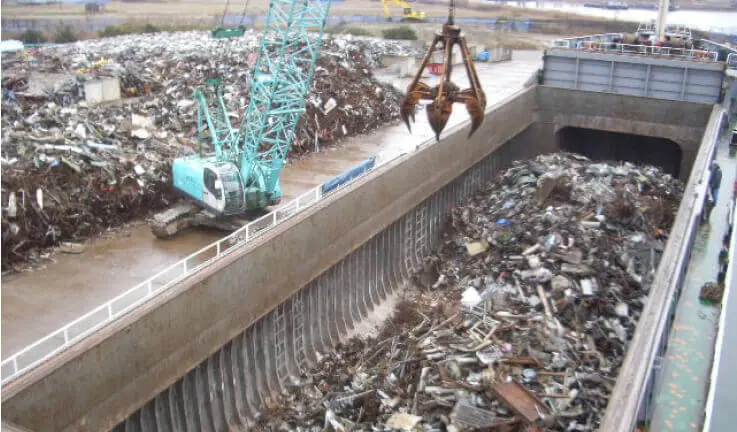
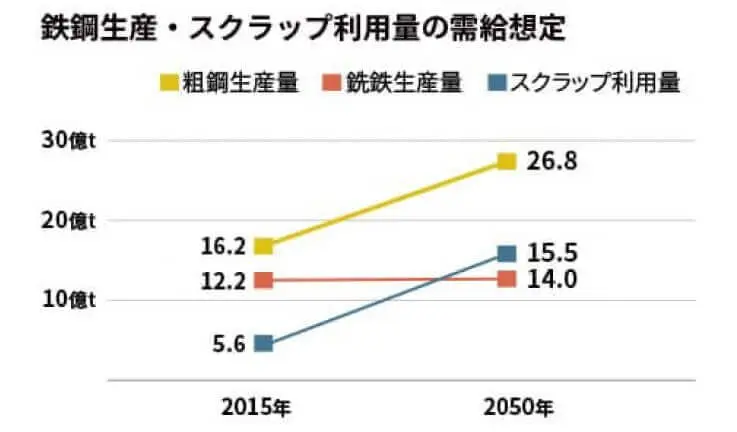
Contributing to a recycling-oriented society by promoting the use of scrap
In expanding the use of scrap, JFE Shoji Corporationhandles Metal Recyclingand aluminum scrap as a recycling business, contributing to the expansion of a recycling-oriented society by promoting the use of scrap. In particular, Metal Recyclingexports to Asian countries and conducts foreign transactions in addition to domestic transactions, and contributes to the expansion and efficiency of logistics by realizing timely shipments of small lots through its container loading system.
Environmental Management Activities
JFE Shoji Corporation is routinely promoting activities such as reduction of electricity consumption in offices,
paper reduction, and Toru waste sorting and management as part of its energy reduction efforts.
ISO 14001 Certification Registration
Environmental Education
JFE Shoji Corporation As part of the Group's environmental education, ISO 14001 activities include general environmental education for all employees and training for internal environmental auditors, both of which are held once a year. Toru also implements measures to raise awareness of environment-related laws by ensuring that all Group companies are aware of legal compliance through the use of a checklist for compliance with environment-related laws and by disseminating information on revisions to laws.
Environmental Risk Management
As part of our efforts to identify and reduce environmental risks, we conduct annual self-checks using an environment-related law compliance checklist to confirm items that must be observed. Group companies that have acquired ISO 14001 certification conduct internal environmental audits once a year, and those that have not yet acquired ISO 14001 certification conduct environmental audits once every three years to check the status of legal compliance at their workplaces.