










Sustainability
Environment
- TOP
- Sustainability
- Environment
Contributing to solving environmental issues through business
Offshore Wind Power Generation Business
Offshore Wind Power Generation Business to Promote Renewable Energy
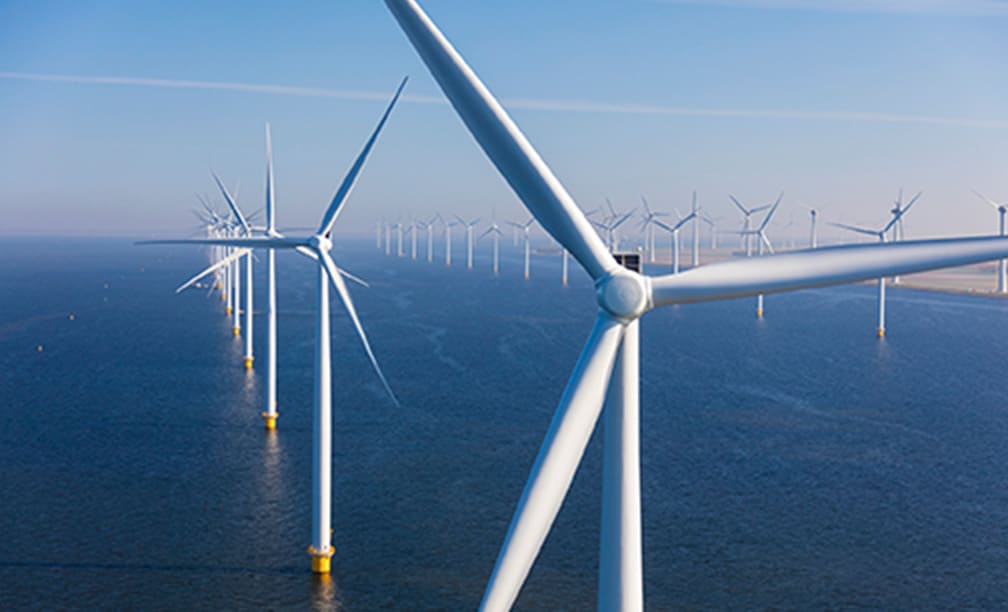
As the introduction and spread of wind power generation continues to advance worldwide, offshore wind power generation, in which wind turbines are installed in offshore locations, has been growing rapidly in recent years. Until now, wind power has been introduced mainly in Europe, Taiwan, and China, but demand is expected to grow significantly in Asian countries, including Japan, and in North America in the future.
The offshore wind industry vision formulated by the Japanese government in 2020 set goals such as forming 10 million kW projects by 2030, continuing to designate zones with an annual capacity of about 1 million kW for 10 years. The share of power generation accounted for by renewable energy is increasing every year, and is expected to account for one-sixth of the world's total power generation by 2040.
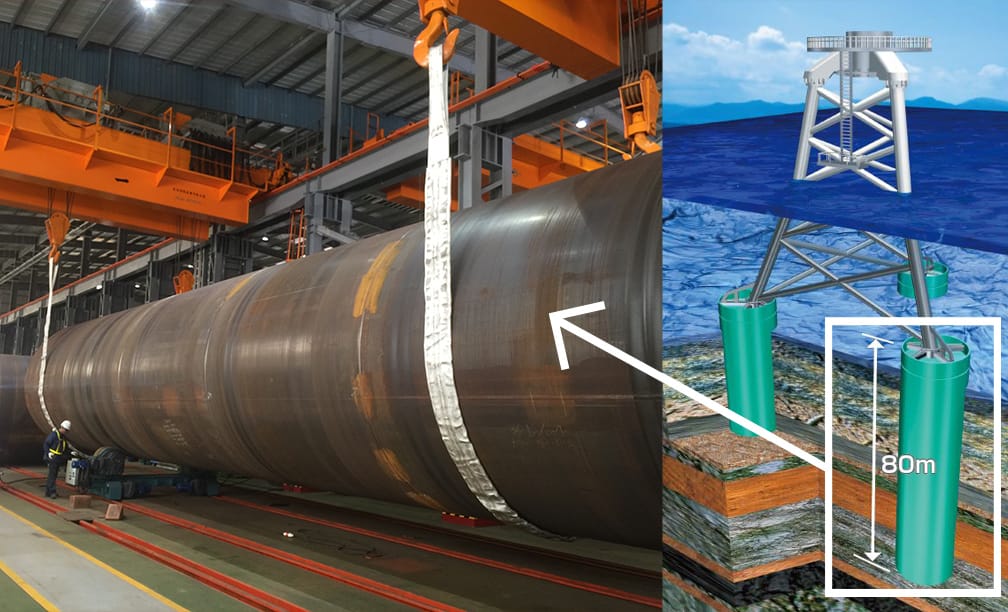
In order to further expand its steel products business into the renewable energy field, JFE Shoji Trade has been steadily implementing strategies to maximize steel products sales and business earnings, including the establishment of a renewable energy steel products trade team in July 2020 to strengthen its structure and promote collaboration with Taiwanese companies. In addition, while the JFE Group as a whole is promoting commercialization in the offshore wind power generation business, such as JFE Steel's expansion of manufacturing capacity for large single heavy plates and JFE Engineering's production of landing-type foundation structures, JFE Shoji Trade is building a supply chain in the distribution and sales of steel products and processed products, and JFE JFE Shoji Trade is contributing to the further strengthening of cooperation within the JFE Group and the spread of renewable energy.
Biomass Fuel Business
Reducing CO₂ by supplying biomass fuels
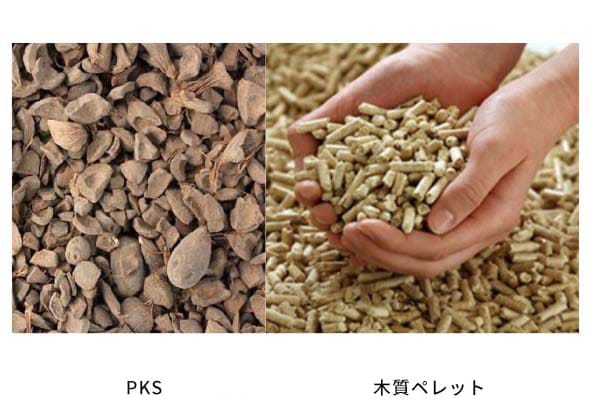
The recent global trend toward decarbonization has led to an increase in the use of renewable energy sources for power generation. Among these, demand for biomass fuels such as palm kernel shells (PKS) and wood pellets is growing, as power generation is not affected by weather conditions.
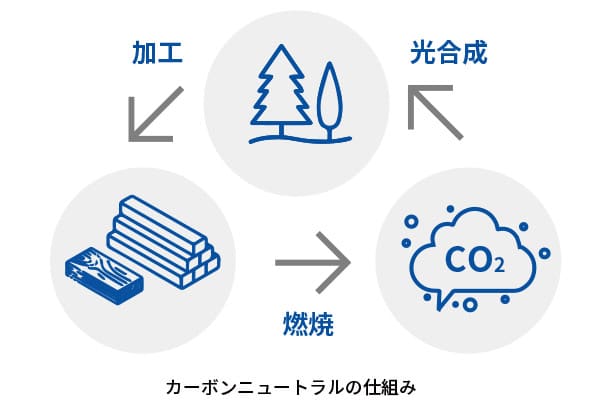
Biomass is a type of renewable energy along with solar, wind, hydroelectric, and geothermal. Typical PKS is the husks generated in the process of squeezing palm palms to produce palm oil. Most of the PKS was disposed of as waste, but it has been attracting attention in recent years as an important renewable energy source with low moisture content and high calorific value, as well as a significant contribution to reducing CO2 emissions by absorbing CO2 during the palm tree's growth process. Wood pellets are made from scrap wood from thinning and lumber milling.
JFE Shoji Trade began handling pellets early on as a development project, and with the introduction of the FIT (Feed-in Tariff) system by the Ministry of Economy, Trade and Industry in 2012 as a tailwind, the volume of pellets handled has increased year by year. We have been importing from various sources such as Malaysia and Indonesia to ensure a stable supply to Japan, and are able to respond appropriately to the growing demand. The JFE Group is also supplying fuel to biomass power plants operated by JFE Engineering, a member of the JFE Group, thereby contributing to solving environmental issues through group-wide efforts.
Electromagnetic Steel Sheet Business
Contributing to the Efficient Supply and Consumption of Electricity through Supply Network Initiatives
In addressing climate change issues, including the reduction of CO2 emissions, it is important to efficiently use the electricity generated without loss.
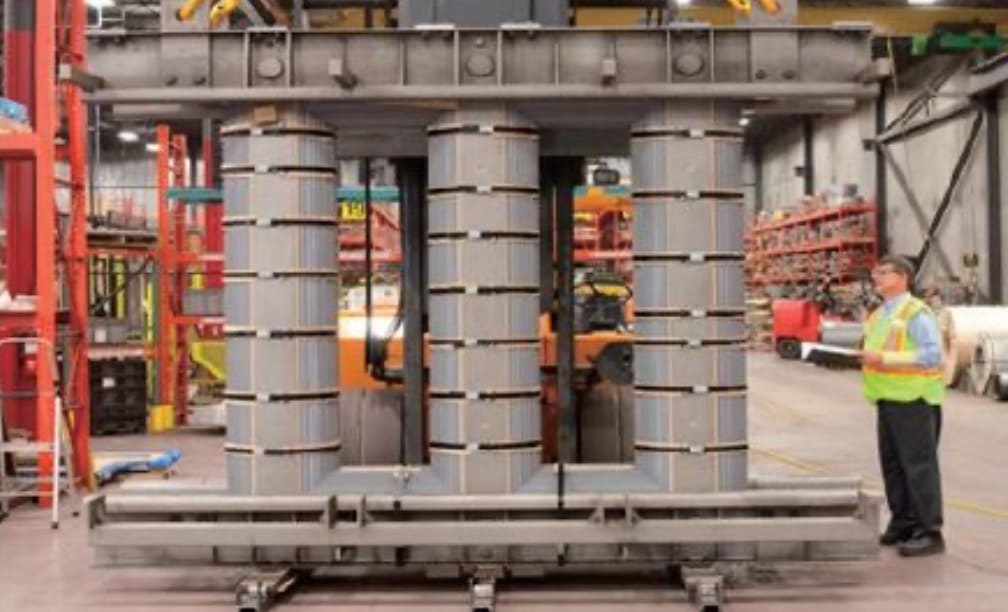
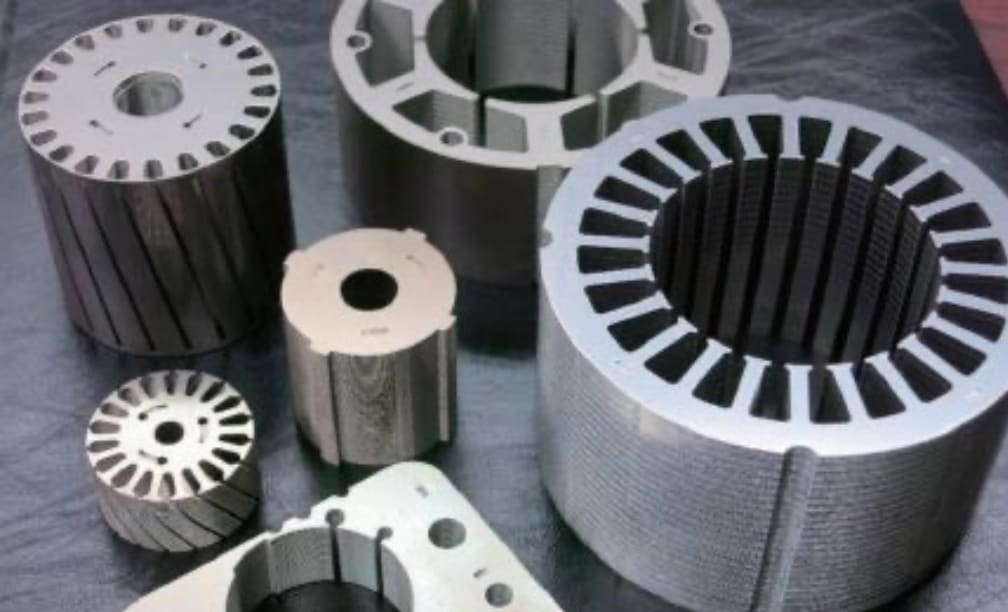
Of the electricity consumed, motors, which are used in various places such as power plants, factories, and homes, account for the majority, 40-50% worldwide and about 60% in Japan. It is said that a 1% improvement in motor efficiency in Japan would be equivalent to the energy savings of one large 500 MW-class power plant. Electric vehicles (EVs), of course, are said to have as many as 50 to 100 motors per car, and by making these on-board motors smaller, more efficient, and lighter, it is expected that energy-saving effects such as improved fuel efficiency can be expected. In addition, energy loss in delivering generated electricity to factories and homes cannot be ignored. Therefore, increasing the efficiency and lowering the losses of transformers, which are indispensable for power transmission and distribution, are also important efforts to reduce power consumption and CO2 emissions.
In addition to providing a stable supply of high-quality electromagnetic steel sheets, which are indispensable for higher efficiency and lower losses in motors and transformers, we have established a value chain that includes the necessary processing. We contribute to the preservation of the global environment by responding to our customers' needs in detail under a supply network that matches the global expansion of motor and transformer manufacturers.
High Tensile Strength Steel Sheets for Automobiles Business
Strengthening the supply chain of high-tensile steel sheets (high tensile strength) that contribute to automobile weight reduction
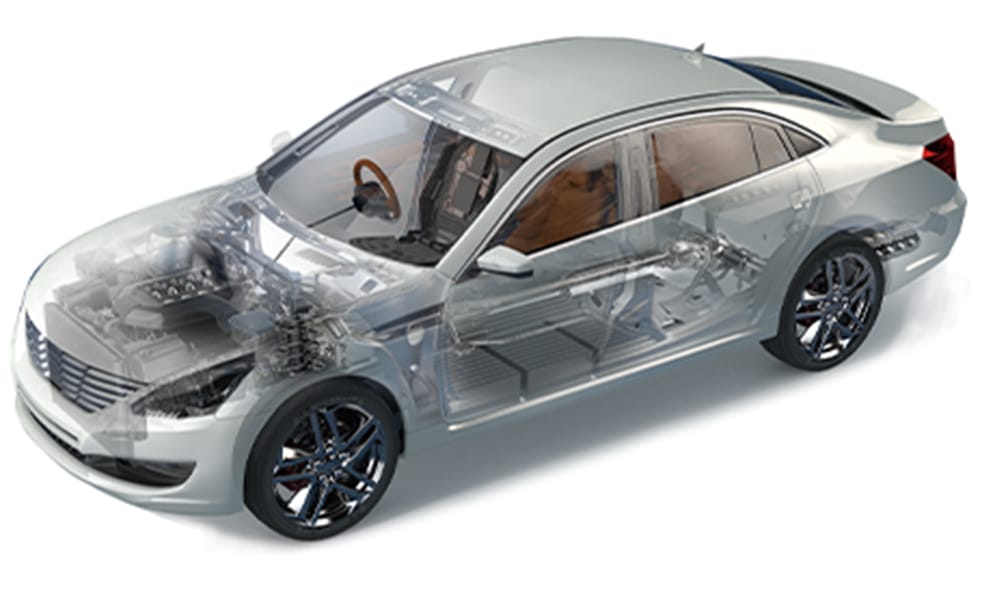
Automobile manufacturers are working to reduce CO2 emissions with the goal of becoming carbon neutral by 2050. For internal combustion engine vehicles such as gasoline-powered cars, reducing the weight of the car body improves fuel efficiency and reduces CO2 emissions. For electric vehicles (EVs), weight reduction of the vehicle body is also essential to extend the cruising range.
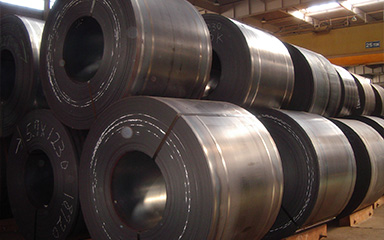
High-tensile steel, which the JFE Group develops and sells as automotive steel, can maintain and improve the strength of the car body even when the plate thickness is reduced.
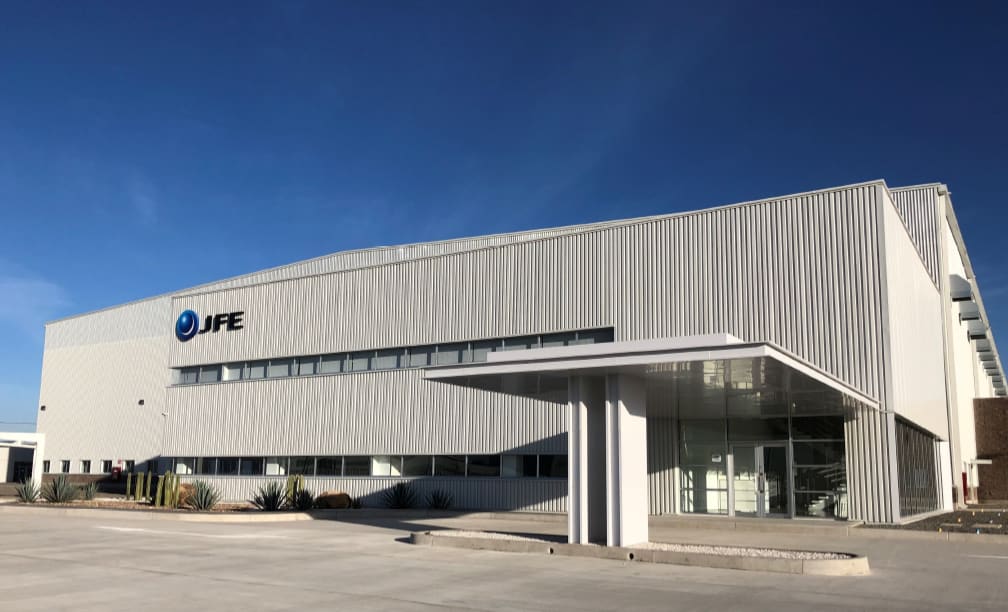
As a core trading company of the JFE Group, we have synchronized our strategy with that of JFE Steel and are focusing on strengthening the supply chain for high-tensile steel materials. In order to meet the local procurement needs of our customers, we have been working with JFE Steel to strengthen our overseas network, and with the operation of a new automotive steel sheet processing and sales base in Mexico in May 2021, we have established a system to meet the diverse needs of our customers in the four global regions (Japan, China, ASEAN, and the Americas). By strengthening our supply chain, we have been able to meet the diverse needs of our customers. By strengthening our supply chain, we are contributing to automotive weight reduction.
Scrap Business
Contributing to a Recycling-Oriented Society by Promoting the Use of Scrap
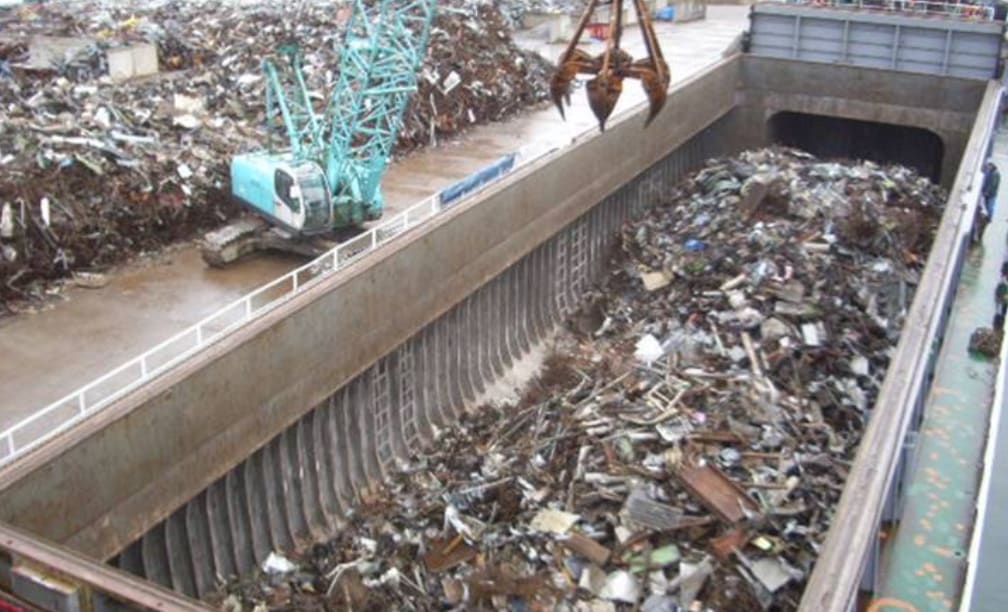
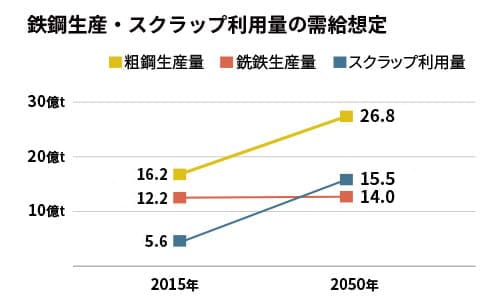
In recent years, steel scrap has been attracting more attention, not only because of the electric furnace method, which emits one-quarter of the CO2 emissions of the blast furnace method, but also because of the reduction of CO2 emissions by increasing the amount of steel scrap used in the blast furnace method. The JFE Group is taking advantage of the global increase in scrap generation as an opportunity to promote the Group's electric furnace steel production and to capture business opportunities by utilizing its engineering technologies to implement state-of-the-art energy-saving electric furnace facilities in an integrated manner. JFE Group is also taking advantage of business opportunities by leveraging its engineering technologies to implement state-of-the-art energy-saving electric furnace facilities. Furthermore, the Group is also developing scrap utilization technologies in the blast furnace process to expand the use of scrap in the steel industry as a whole.
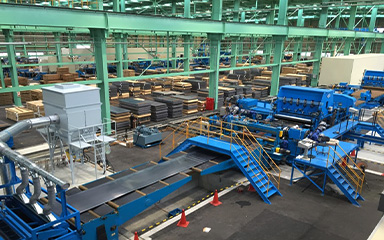
In expanding the use of scrap, JFE Shoji Trade handles steel scrap and aluminum scrap as part of its recycling business, contributing to the expansion of a recycling-oriented society by promoting the use of scrap. In particular, for steel scrap, in addition to domestic transactions, JFE Shoji Trade also exports to Asian countries and conducts foreign transactions, and contributes to the expansion and efficiency of logistics by realizing timely shipments of small lots through its container loading system.
Source: JFE Group CSR Report 2021
Environmental Management Activities
As part of its energy reduction efforts, JFE Shoji Trade is routinely reducing the amount of electricity used in its offices, reducing paper use, and thoroughly sorting and managing waste.
ISO 14001 Certification Registration
In 2000, Tokyo, Nagoya, and Osaka obtained ISO 14001 certification. Since then, all domestic branches and sales offices, as well as 24 domestic group companies including 10 manufacturing companies, have acquired certification, and we continue to operate an environmental management system that integrates the JFE Shoji Group. Overseas, 12 manufacturing Group companies have acquired ISO 14001 certification.
Environmental Education
As part of the JFE Shoji Group's environmental education, ISO 14001 activities include general environmental education for all employees and training for internal environmental auditors, both of which are held once a year. In addition, each company in the JFE Shoji Group is using an environment-related law compliance checklist to raise awareness of compliance with laws and regulations, and to disseminate information on revisions to laws and regulations to raise awareness of environment-related laws.
Environmental Risk Management
As part of our efforts to identify and reduce environmental risks, we conduct annual self-checks using an environment-related law compliance checklist to confirm items that must be observed. Group companies that have acquired ISO 14001 certification conduct internal environmental audits once a year, and those that have not yet acquired ISO 14001 certification conduct environmental audits once every three years to check the status of legal compliance at their workplaces.