






Businesses
Raw Materials & Equipment
- TOP
- Businesses
- Raw Materials & Equipment
To contribute to the JFE Group's stable operations and cost competitiveness, we are working to create new businesses by strengthening relationships with suppliers and expanding our supplier base, as well as proposing new supply chains in other fields by utilizing the know-how we have accumulated in the steelmaking peripheral business. Image 1
-
Main raw materials for iron and steel
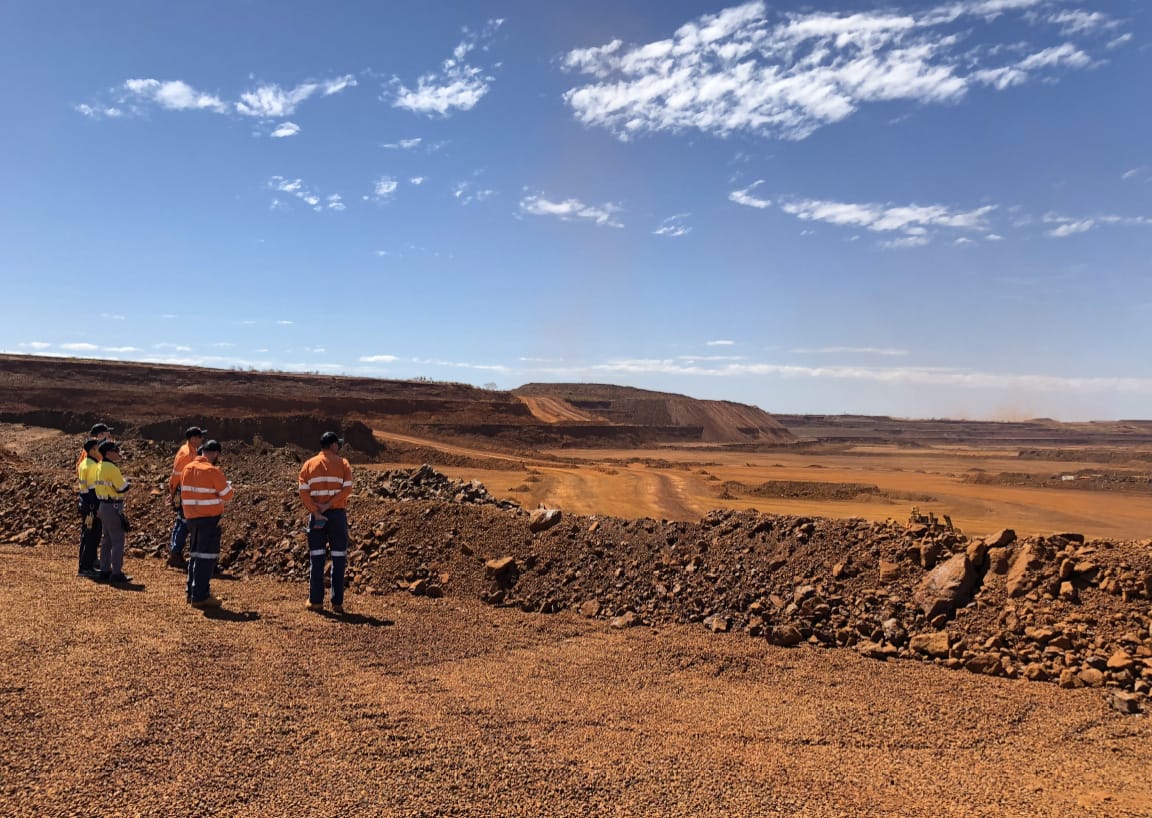
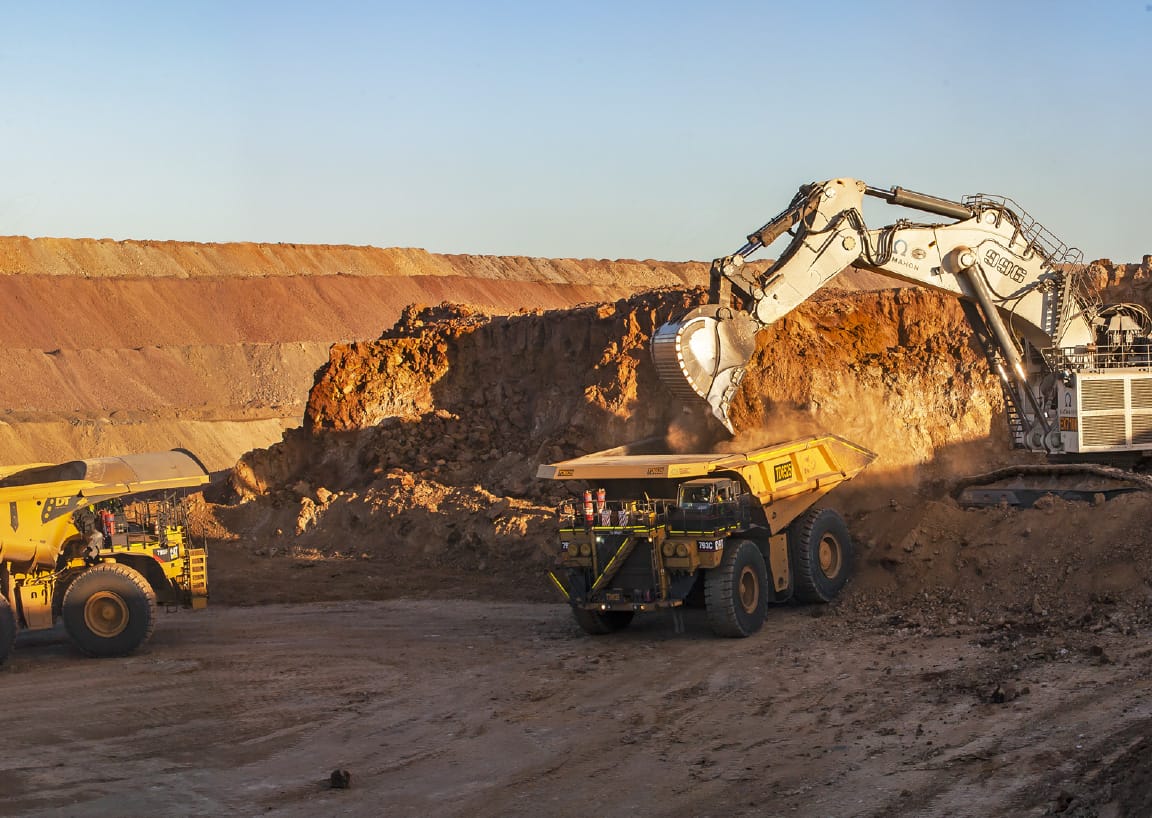
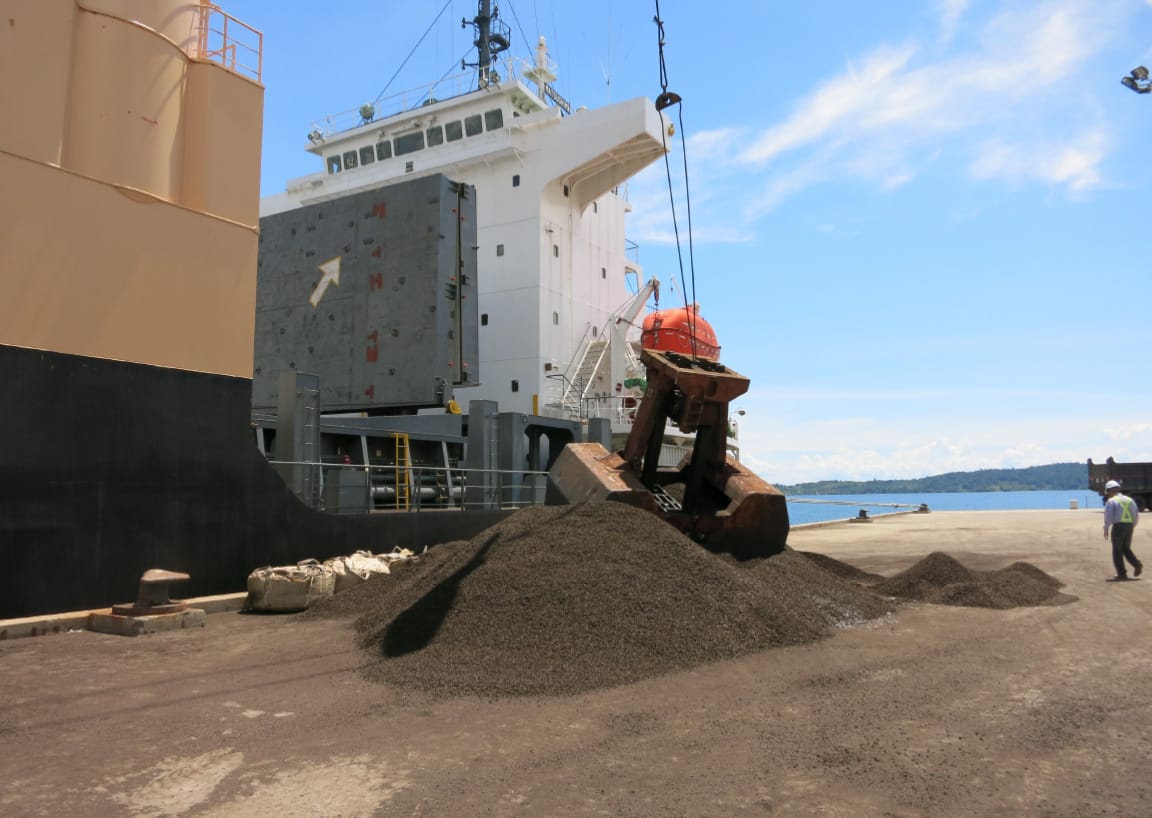
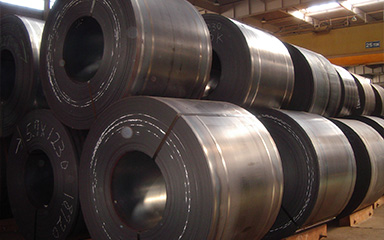
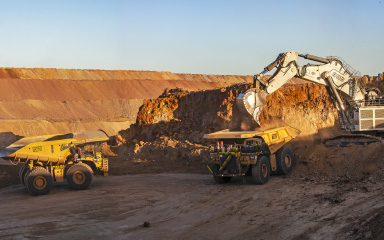
Centered on the business of providing JFE Steel with a stable supply of iron ore and coal, which are indispensable to the steelmaking industry, we are also expanding our import/export and inter-foreign business of raw materials.
As demand for coking coal fluctuates with the market environment and the grade orientation of the time, we gather information on a daily basis to meet the needs. Currently, we are prioritizing the development of coal that can contribute to environmental measures. We also procure iron ore from suppliers operating mines in resource-rich Australia and Brazil. In the future, we will also pursue raw materials*1 such as those produced using hydrogen and other resources as a measure to reduce CO2 emissions.
*1 Raw materials for pig iron making, reduced iron, etc. -
-
Blast Furnace Raw Materials Metal
We procure ferroalloys, nonferrous metals, and specialty metals, which are secondary raw materials that determine the properties of steel, from suppliers around the world and sell them to JFE Steel, domestic steelmakers, and overseas steelmakers.
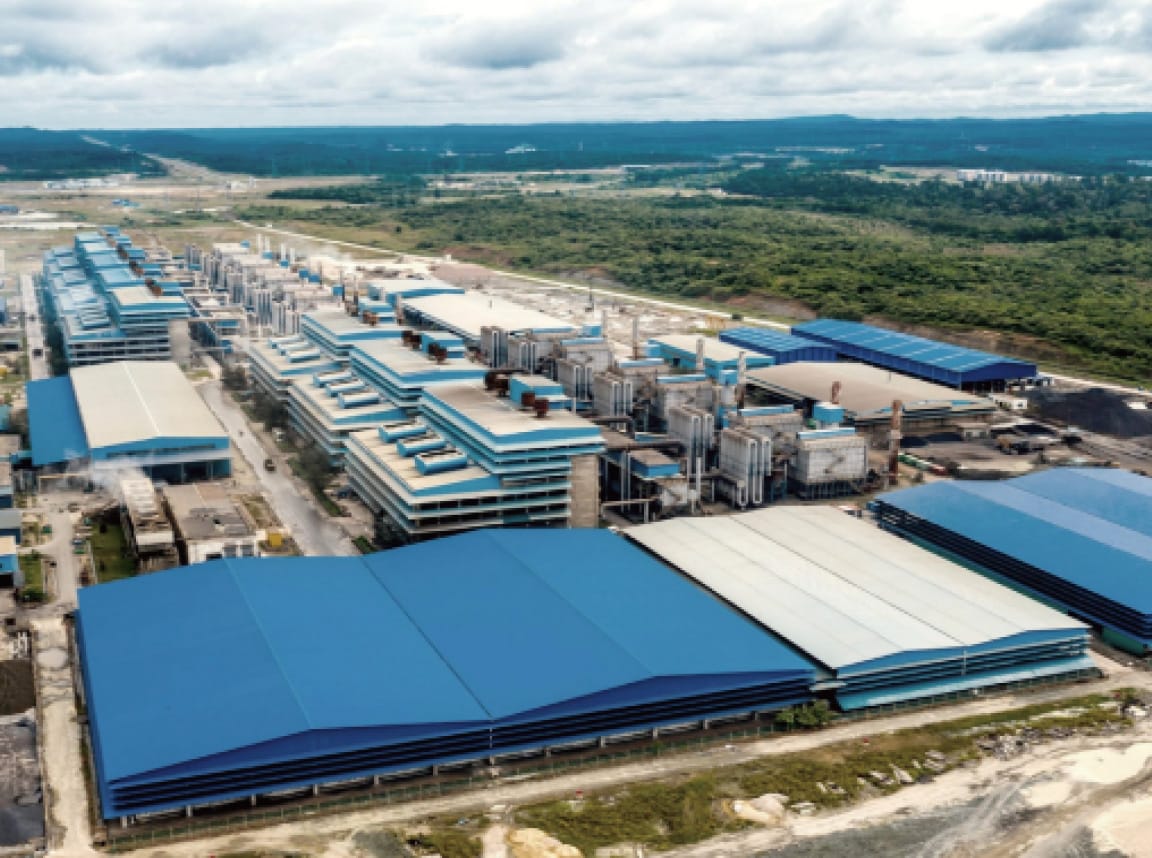
While various risks are becoming apparent, we are taking advantage of our worldwide network to diversify procurement countries and sources to ensure a stable supply of competitive raw materials to domestic steelmakers. In addition, as overseas demand increases, particularly in Asia, we are also focusing on foreign transactions while strengthening our procurement input through participation in a ferrosilicon production project in Malaysia.
-
-
Metal recycling
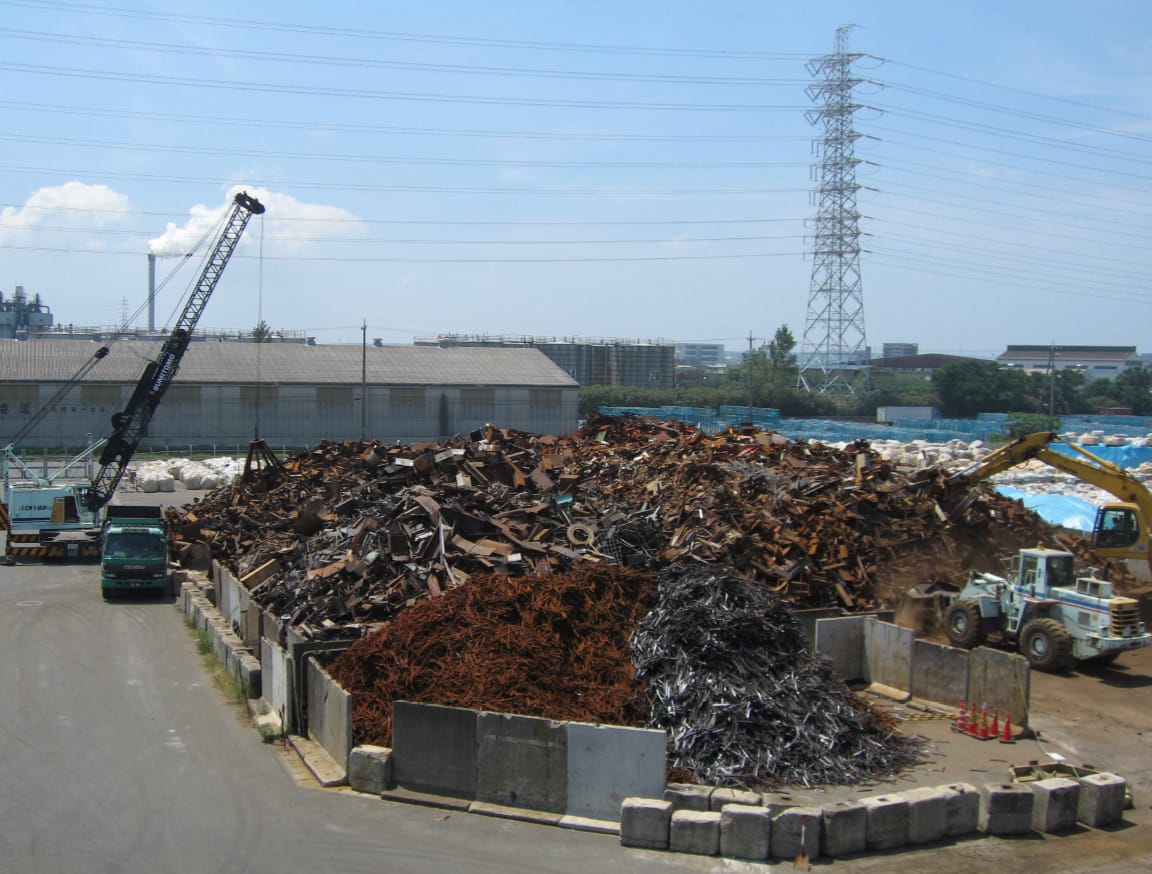
While many countries have declared their intention to become carbon neutral by 2050, we are actively engaged in domestic and international trading of steel scrap, thereby contributing to the creation of a low-carbon society.
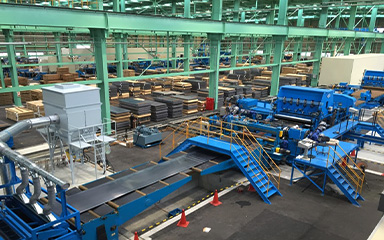
Steel scrap, a raw material for steelmaking, can reduce CO2 emissions in steelmaking, and steelmakers around the world are currently increasing their use of this material. We provide steel scrap through a variety of trading methods, including domestic, export, and international trading, while utilizing our domestic and international procurement and sales networks and storage yards.
-
-
Chemicals
Utilizing our domestic and overseas networks, we sell a wide variety of raw materials, mainly produced from coal chemistry, to various industries in Japan and overseas.
The raw materials we handle are used in a variety of applications, including tires, fertilizers for agriculture, electrodes for lithium-ion rechargeable batteries, and electronic components used in 5G antenna base stations. We also handle argon gas and other gases that are indispensable for semiconductor manufacturing. All of these products utilize by-products and other materials generated during the production of iron.
-
-
Blast furnace slag
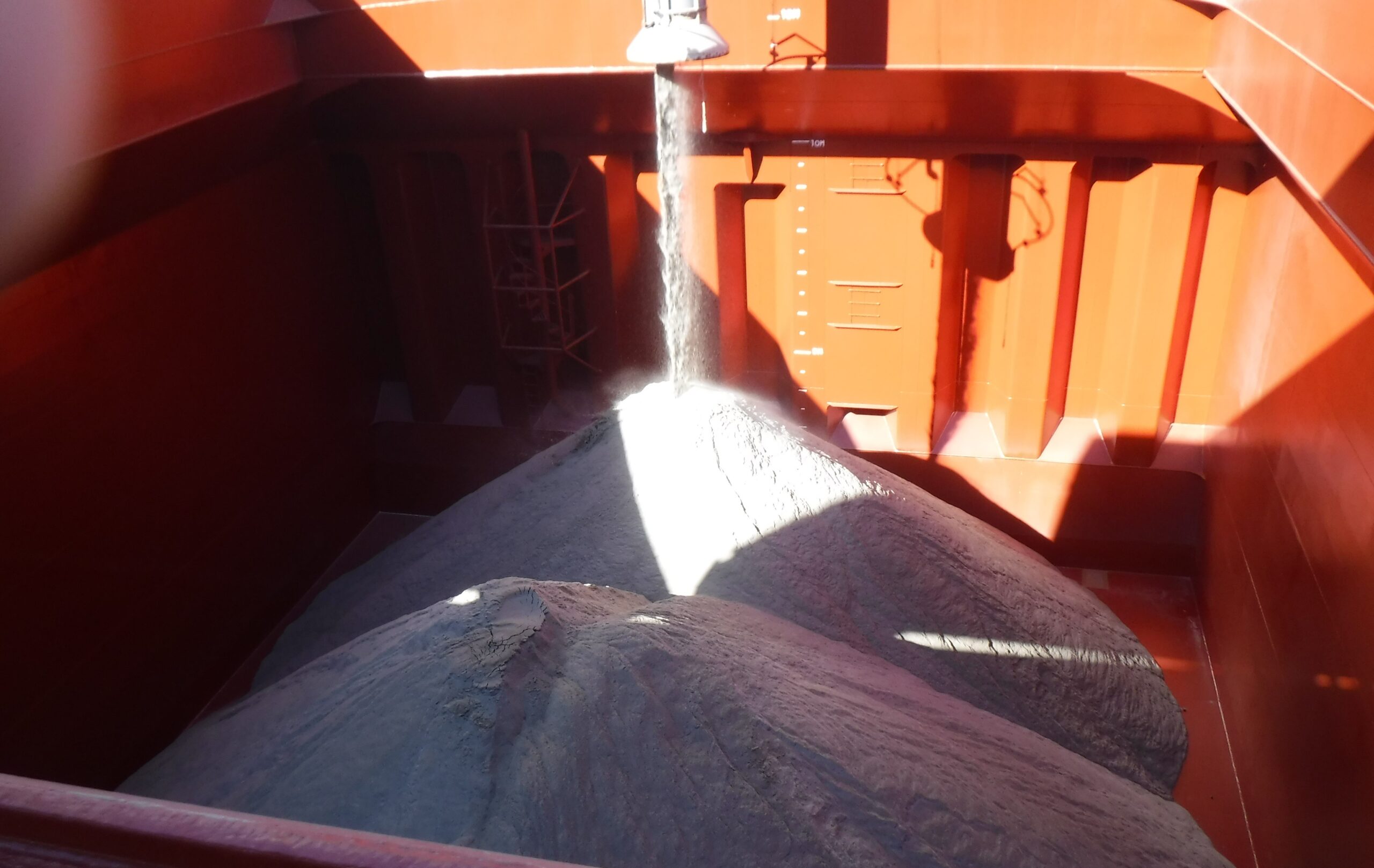
Amid global efforts to reduce CO2 emissions, we will contribute to the prevention of global warming through the active export of blast furnace slag to cement manufacturers around the world.
Clinker, an intermediate raw material for cement, emits a large amount of CO2 during its production. Therefore, one of the keys to reducing CO2 emissions in the industry is how much we can lower the clinker ratio in the raw materials. As a clinker substitute, demand for blast furnace slag pulverized powder (granulated blast furnace slag) has been increasing in recent years.
-
-
Biomass fuels
As the trend toward a decarbonized society accelerates with the government's policy to reduce greenhouse gas emissions to virtually zero by 2050, we, as a core trading company of the JFE Group, will contribute to the reduction of CO2 emissions in society as a whole.
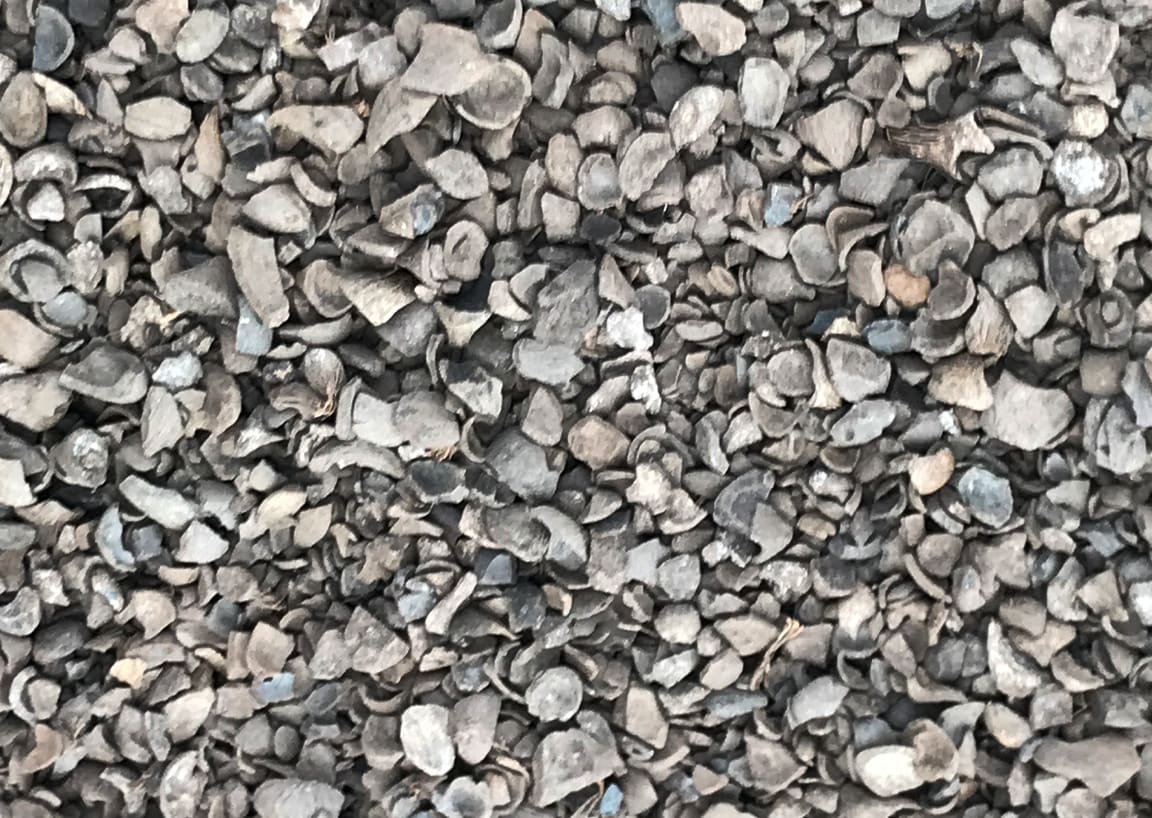
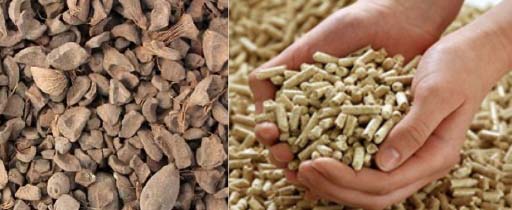
Carbon neutral products such as palm kernel shells (PKS), a byproduct of palm oil production, and wood pellets made from thinned wood and wood offcuts are imported from Southeast Asia and sold to various biomass power generation companies in Japan. In the future, we will also work to develop and supply alternative biomass fuels to support fuel conversion from coal-fired power generation. In addition, in order to supply customers with wood pellets that have been verified as legal and sustainable, we are taking the following initiatives:
1. Disclose our biomass fuel procurement policy
2. Confirm each supplier's forest certification status and understand distribution channels, etc.
3. Confirm compliance with relevant laws, regulations, and guidelines
4 .Consideration for human rights, labor and society
We are enhancing the reliability of our general woody biomass procurement and management system through self-audits of the implementation status of initiatives 1-4 above and annual audits by the Japan Gas Appliance Inspection Association (JIA), a third-party organization.
Biomass Fuel Department Procurement Policy→
-
-
Materials and Equipment
We supply materials and equipment to steel mills in Japan, ASEAN, India, South America, and Europe. While maintaining strong relationships with suppliers across multiple industries, we aim to conduct proposal-based sales from the customer's perspective.
Our efforts are not limited to the steel industry; we have also entered the electric power industry to contribute to the spread of renewable energy. We have focused on deposits in piping and equipment, which affect the efficiency of geothermal power generation, and have been effective by proposing the most appropriate chemicals to reduce deposits in cooperation with power companies and suppliers. Our proposal-based sales activities are highly evaluated by many electric power companies, and we are expanding our business areas to include thermal, hydroelectric, and nuclear power plants in all regions of Japan.
-
-
Ships and fuels
We will contribute to a low-carbon, decarbonized society through the sale of ships and fuels with low environmental impact.
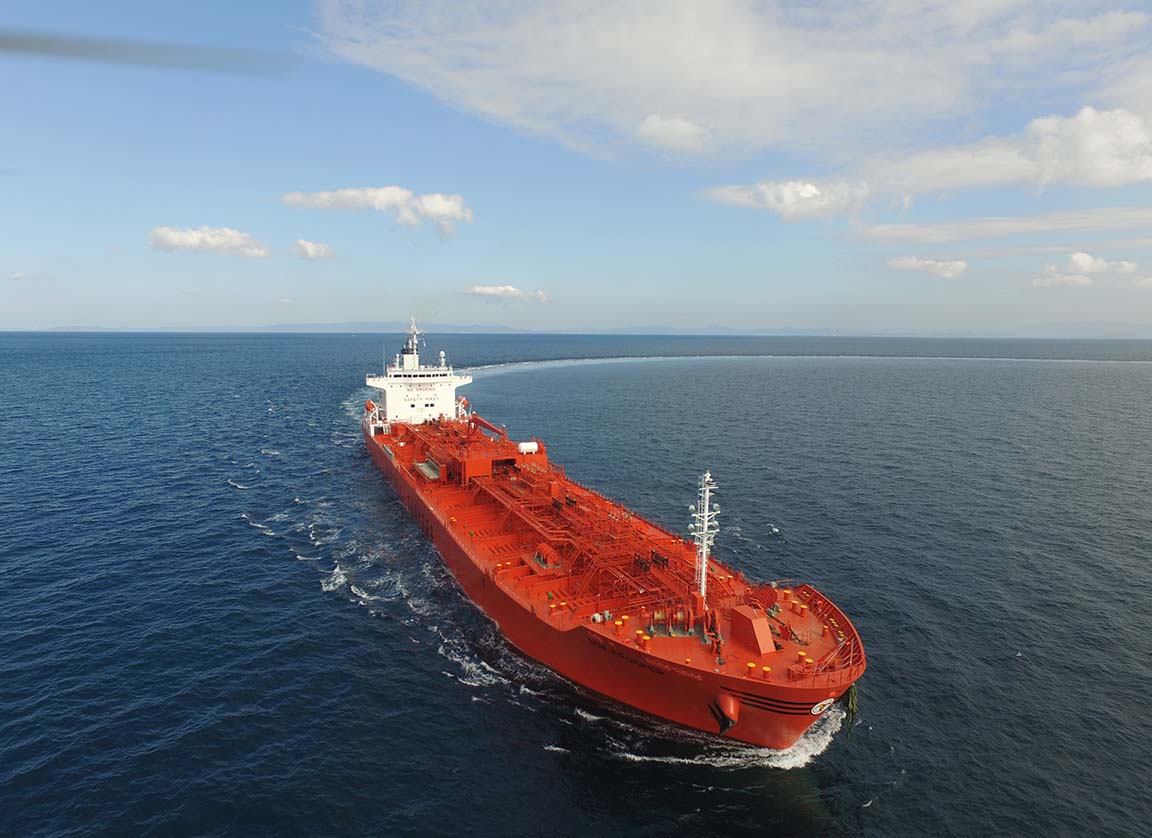
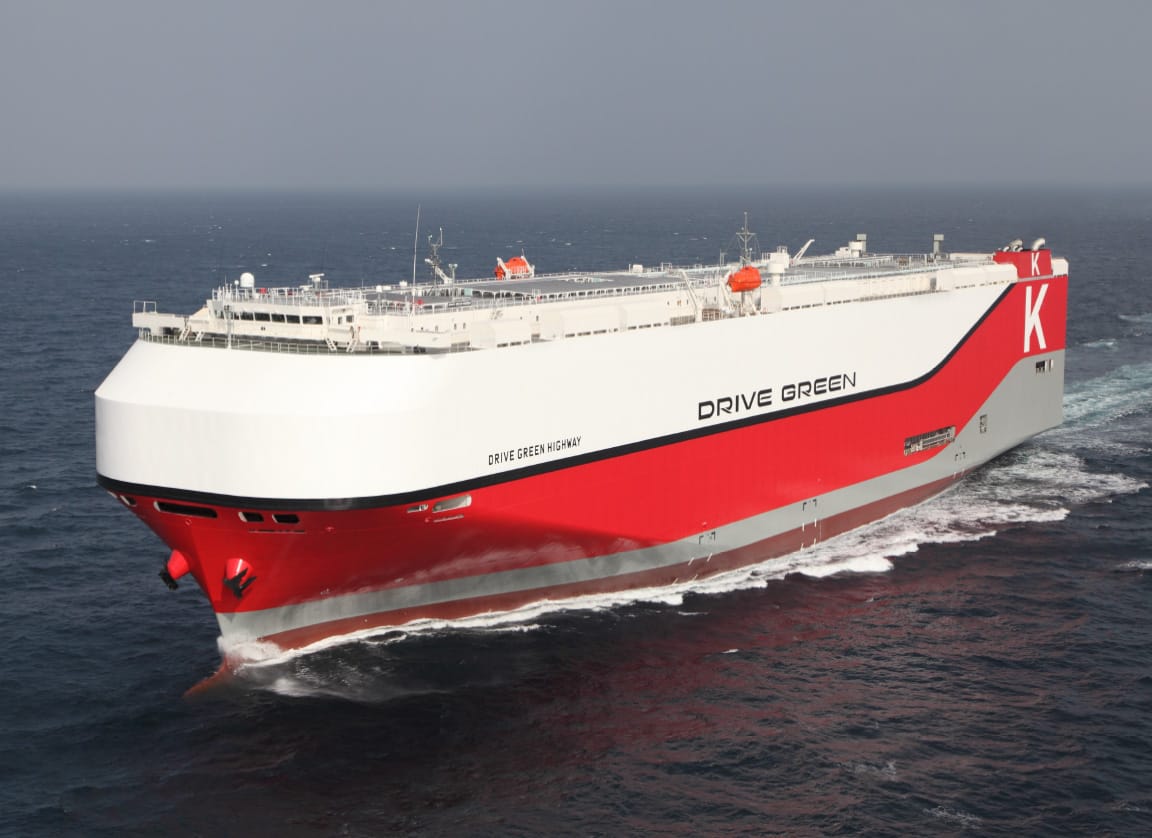
In the shipbuilding field, we are engaged in new shipbuilding transactions, ship chartering*, trading of used and scrap ships, and ship owning of car carriers and bulk carriers (ships used to transport raw materials and other materials). In the fuel business, we mainly trade in fuels and lubricants used for ships, and we are promoting initiatives in the next-generation fuel business with a view to future decarbonization.
*Business that mediates the leasing of vessels that meet the needs of shipping companies -