




Continuous development
Environment
- Home
- Continuous development
- Environment
Contributing to solving environmental problems through business operations
Marine Wind Power & Electricity
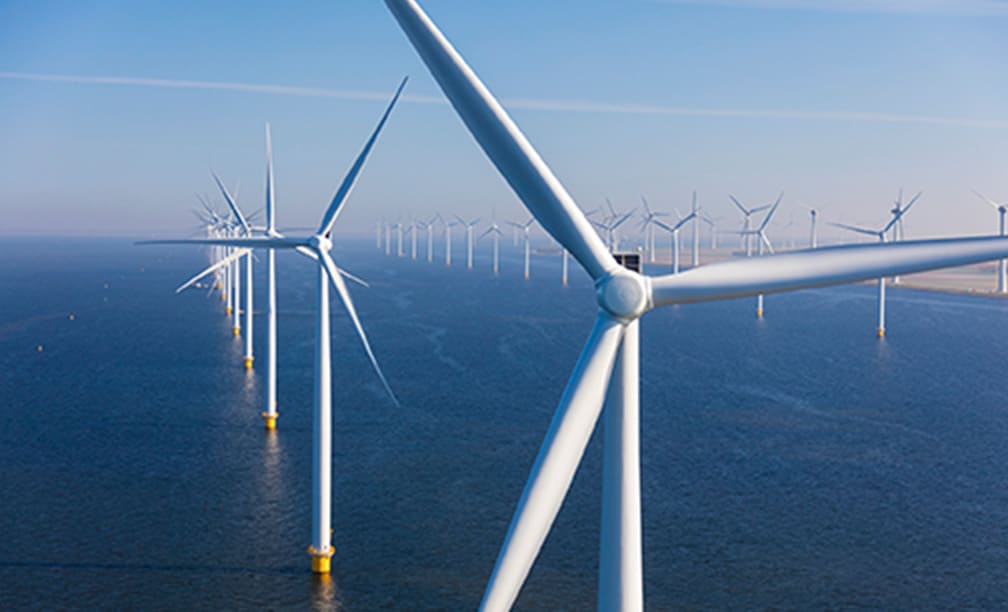
Develop the offshore wind power generation business as a means to promote the widespread use of renewable energy sources
As the use of marine power generation has become increasingly widespread across the globe, marine power generation has been rapidly developing through the use of marine power generation equipment in recent years. Until now, power generation in Europe, China's Taiwan, and China's Dalian have been the main sources of power generation, but demand for power generation is expected to increase significantly in the years to come, especially in Japan, other Asian countries, and North America.
In the Japanese government's 2020 plan for the offshore wind industry, the government has submitted a target of designating areas of 1 million kW per year for the next 10 years, with a 10 million kW project to be formed by 2030. The ratio of renewable energy sources to total electricity generation is expected to increase year by year ( ), Estimated2040 In 2012, one sixth of all global electricity production will be accounted for by electric power。
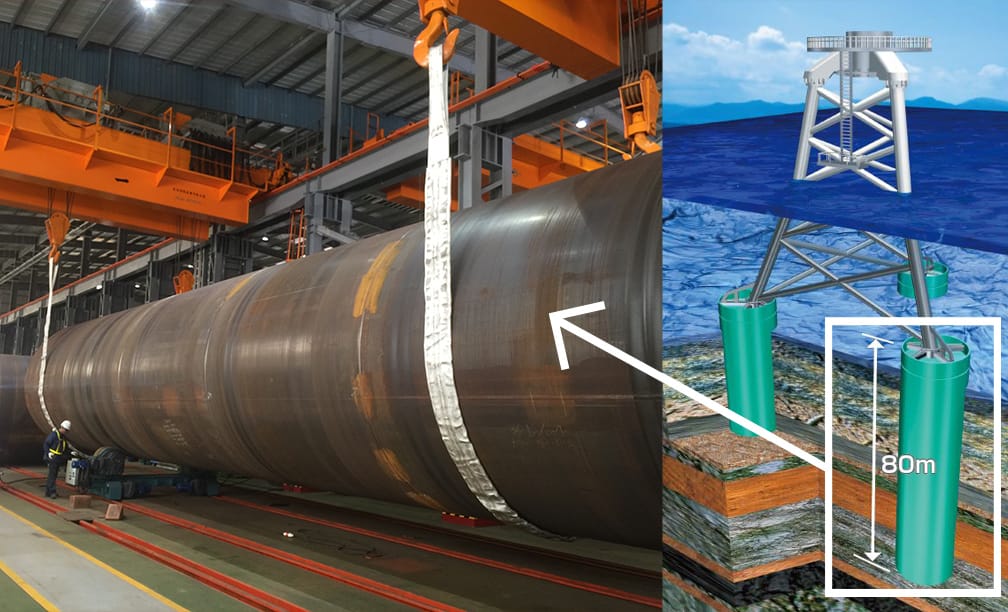
JFE Shoji Trade will establish a stronger trade structure for renewable energy brass in July 2020, and will promote cooperation between JFE Shoji Trade and Chinese and Taiwanese companies to maximize brass sales volume. As well as, JFE Shoji will promote the commercialization of offshore wind power generation business, including the enhancement of JFE 's capacity to produce large, heavy plates and the development of JFE's engineering technology as a platform to build JFE Shoji's supply chain for the distribution and sales of Stainless steel and processed products, and will further strengthen cooperation within the JFE Group and promote the use of renewable energy sources.
Bio-Quality Fuel Business
Providing bio-quality fuels and reducing CO₂ emissions
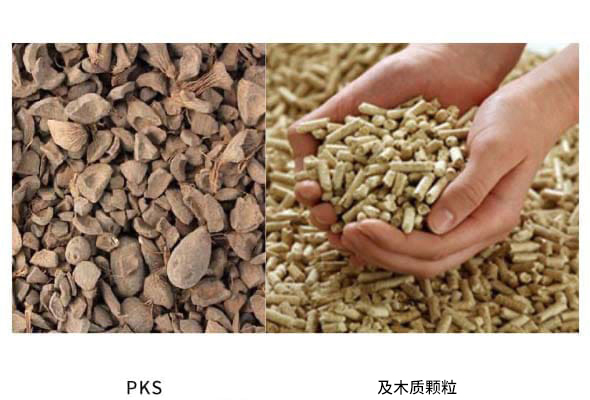
The recent global trend toward de-carbonization has led to an increase in renewable energy source electricity generation. In this context, the demand for bio-quality fuels such as "palm kernel starch" (PKS) and "wood quality grains" is constantly increasing as a method of electricity generation that does not affect the weather.
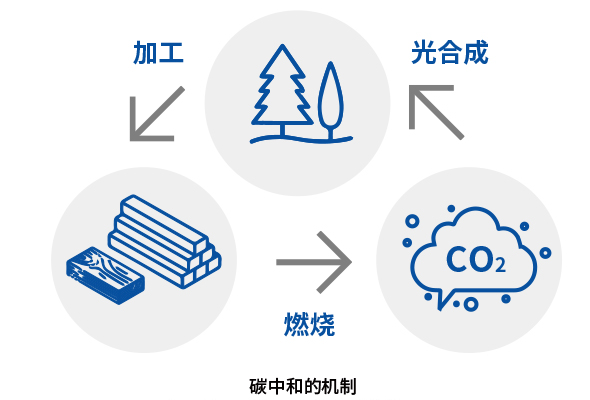
Biomass is a renewable source that combines solar, wind, hydro, and thermal power. Typical PKS is made from the process of producing palm oil by pressing the palms to produce palm oil, and the palm oil is made from the dipping of the palms. However, the palm oil is an important source of renewable energy with low water content and high heat output, and it absorbs carbon dioxide during the palm tree's growth process. As well as solid fuels made from the collection and processing of wood from timber and wood shavings, the solid fuels are also used to make PKS as a fuel that is neutralized by wood.
JFE Shoji Trade started promoting the development of this project very early, and its sales volume has been increasing every year under the FIT (Feed-in Tariff) scheme established by the Ministry of Economy, Trade and Industry (MOST) in 2012. JFE Shoji will import PKS from various sources such as Malaysia, India and Indonesia to Japan to ensure stable supply and to meet the ever-increasing demand for the product. As well, we also provide fuels to JFE Engineering Technology Corporation, a member of the JFE Group, for their biological quality power plants, and we are a part of the JFE Group to help solve environmental problems.
Electromagnetic Stainless Steel Sheet
For the effective supply and consumption of electricity through the use of the Internet, we will make a contribution to the environment.
The key to the problem of climate change is how to minimize and effectively use electricity to power our homes.
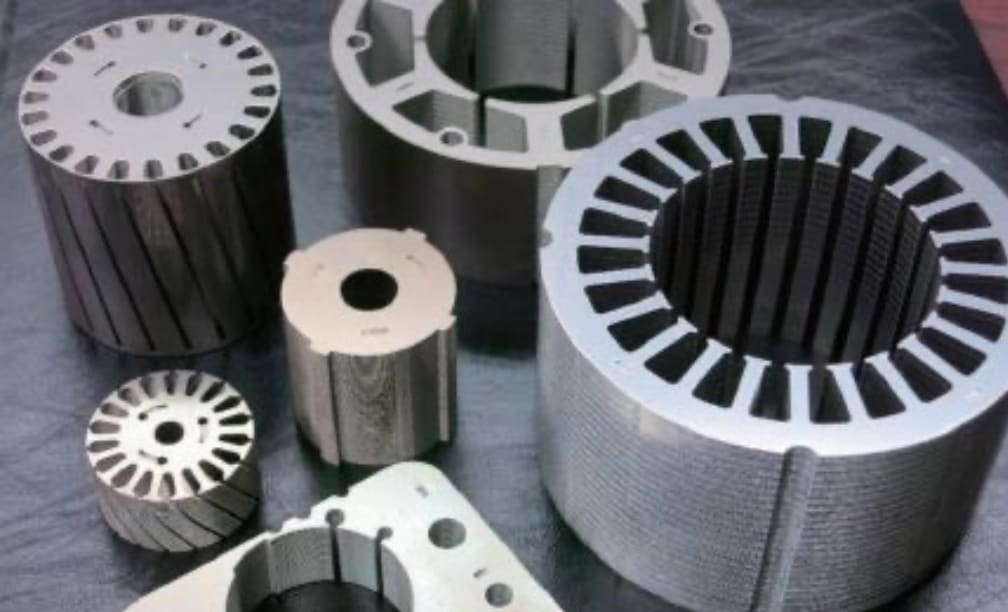
In the consumption of electricity, the amount of electricity used by terminals used at various locations such as power stations, industrial cliffs, and homes accounts for 40-50% of the global total, and 60% in Japan. If the efficiency of power consumption of batteries in Japan is increased by 1%, it will be possible to realize the electricity-saving performance of a 500,000-giga-ton large power station. As for electric vehicles (EVs), even an automobile has 50 to 100 miles per car, it is possible to reduce the size, efficiency, and weight of these vehicles and thus increase the fuel efficiency and other efficiency benefits.
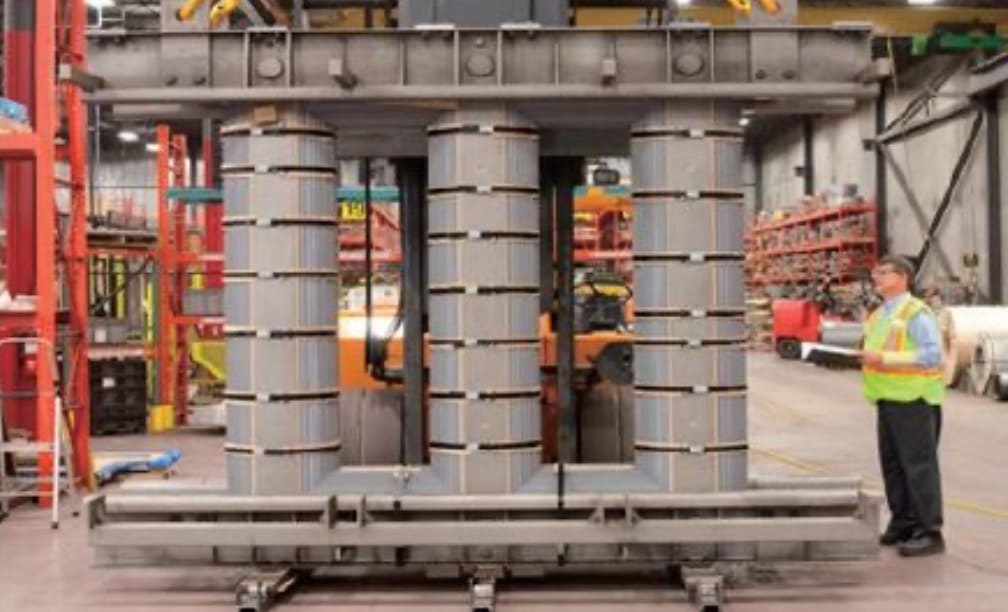
Aside from that, we also cannot Look for capacity loss when exporting electricity to industrial facilities and households. As a result, the realization of high efficiency and low power consumption of transformers, which are indispensable for the conversion of electric power, is an important measure to reduce the consumption of electric power and the emission of carbon dioxide.
We have established a comprehensive and high quality supply of high efficiency, low wear and non defective high quality electromagnetic stainless steel sheets for MADA and its voltage converters, as well as the necessary processing in our company. We are building a supply network that is compatible with the global expansion of our manufacturers and transformer manufacturers to closely meet the demands of our customers and to protect the global environment.
High Strength Stainless Steel Sheet for Automobiles
High-intensity stainless steel sheet (HITEN) supply links that will help reduce the weight of automobiles.
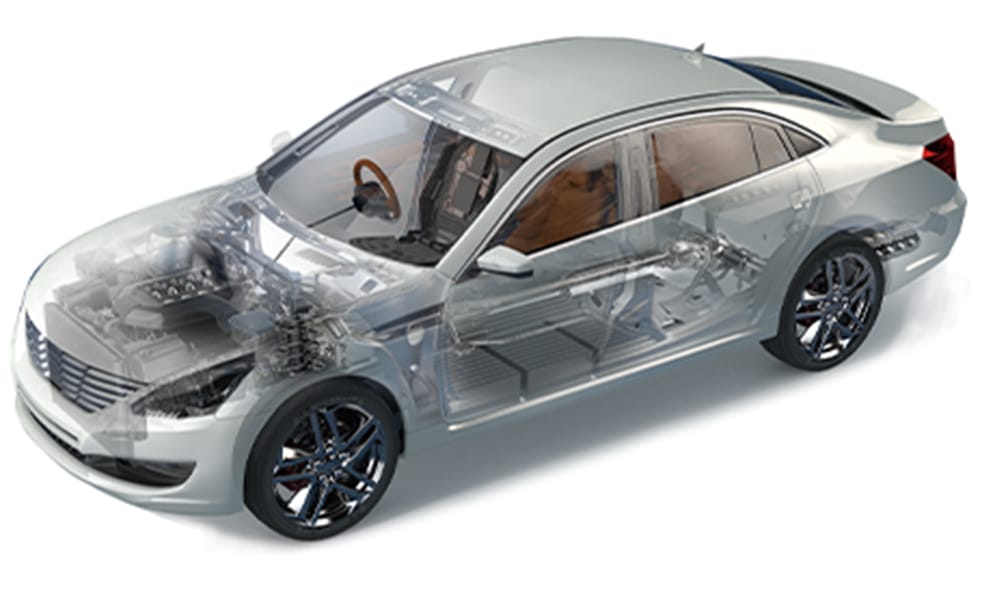
With the goal of achieving carbon neutrality by 2050, automakers are committed to reducing CO2 emissions. For internal combustion engines, such as motor-driven cars, the weight of the car can be reduced to lower the oil consumption, which in turn reduces CO2 emissions. As well, for electric vehicles (EVs), a lighter body is essential to increase the continuous travel distance.
JFE Group develops and sells high strength materials for automobiles, which enables lower plate thicknesses to maintain and increase the strength of the car body, and thus enables the use of lighter brass in automobiles.
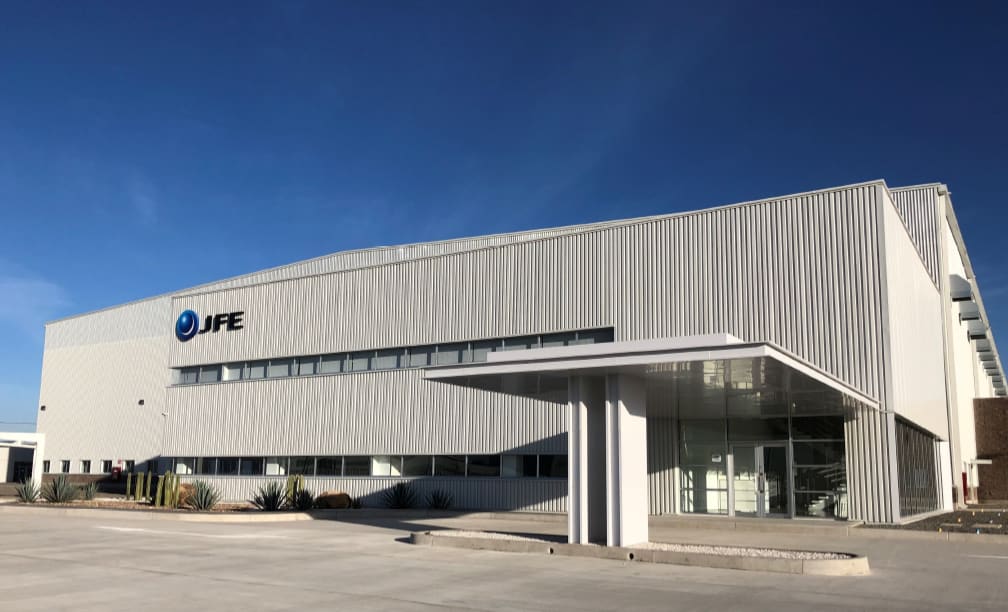
As a core trading company of the JFE Group, JFE Steel Corporation and JFE Steel &Tie have a joint strategy to supply high strength materials. In May 2021, JFE Steel & Stainless Steel will establish a new automotive stainless steel sheet processing and sales network in Mexico, and establish four global hubs (Japan, China, Dongguan, and China) to meet the diversified needs of our customers. We will continue to improve our supply chain and make a contribution to the reduction of the weight of automobiles.
Biodegradable fuel business
Promote the use of recycled materials to contribute to a recycling-oriented society.
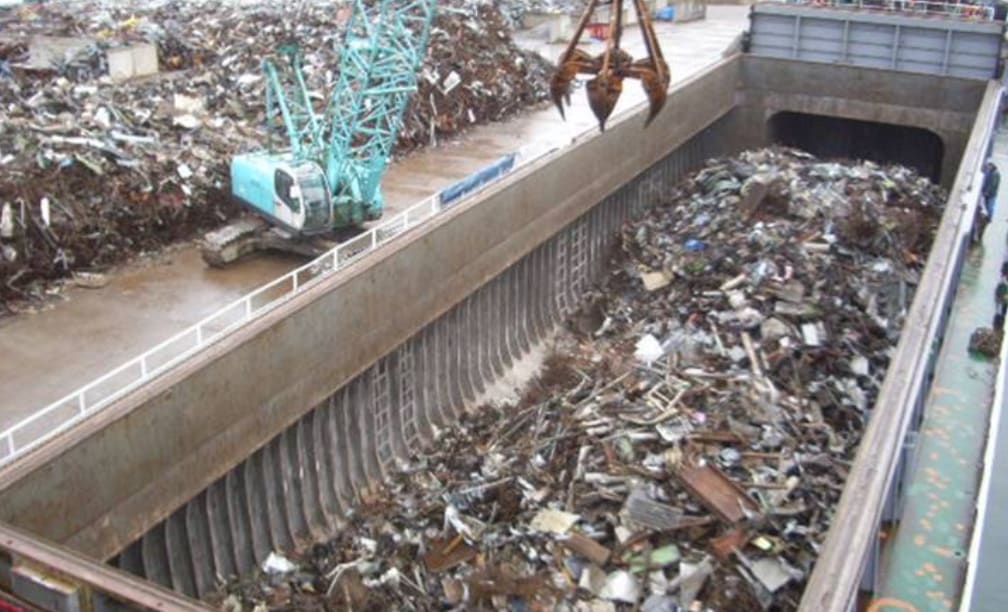
The ratio of carbon dioxide emissions from electric arc furnaces to blast furnaces is notably lower than that of blast furnaces, and blast furnaces can also reduce carbon dioxide emissions by increasing the amount of carbon dioxide in their steelmaking processes. As well, the JFE Group has seized the opportunity to increase the global production of steel from steel by promoting the production of electric furnaces and at the same time implementing the most advanced process technology for the manufacture of electric furnaces, and has gained business opportunities. In addition, the technology to utilize blast furnace steel is also constantly being developed and extended to the overall use of steel in the 产业.
In the area of expanded utilization of materials, JFE Shoji is engaged in the recycling of materials, and through the promotion of the utilization of materials, we are able to contribute to the expansion of a recycling-oriented society. In particular, we are able to increase the efficiency of logistics through the use of our collection and storage systems and the timely distribution of small quantities of products, etc.
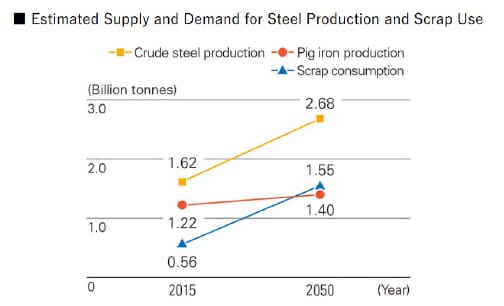
Source: JFE Group's Corporate CSR Report for 2021
Environmental Management Activities
As part of our efforts to reduce energy consumption, JFE Shoji Trade has been implementing activities such as reducing electricity consumption in offices and offices, reducing the amount of paper used, and implementing a comprehensive waste sorting and management system.
ISO14001 certification
In 2000, JFE Shoji Trade obtained ISO14001 certification in Tokyo, Nagoya and Osaka. Since then, JFE Shoji has obtained certification for 24 companies under its domestic group, including 10 manufacturing companies as well as its branches and sales offices in Japan, and the JFE Shoji Group has continued to implement the environmental management system as a single entity. Overseas, 12 companies under 12 manufacturing groups obtained ISO14001 certification.
Environmental education
The environmental education of the JFE Shoji Group is carried out once a year as part of its ISO 14001 activities, including general environmental education for all employees and training for internal environmental inspectors. In addition, each company in the Group uses environmental compliance checklists to ensure that all employees are kept informed of compliance with laws and regulations and the development and revision of laws and regulations, and to improve their knowledge of environmental laws and regulations.
Environmental risk management
As one of the measures to control and reduce environmental risks, JFE Shoji conducts self-inspection through the Environmental Compliance Inspection Chart every year to check the items that must be complied with. As well as, for group companies that have obtained ISO14001 certification, we conduct an internal environmental inspection every year, and for companies that have not yet obtained the certification, we conduct an annual environmental inspection every three years to check for current compliance with laws and regulations.